Summary
Date: December 3–5, 2025
Location: Linköping University, Linköping, Sweden
Participants: ~35 researchers from 16 universities (Japan & Sweden)
Highlights: 4 keynote talks · 12 invited presentations · NSC study visit · Common Paper drafting · Networking & Discussions
Theme: Materials for energy conversion and storage — From technologies to policies
Overview
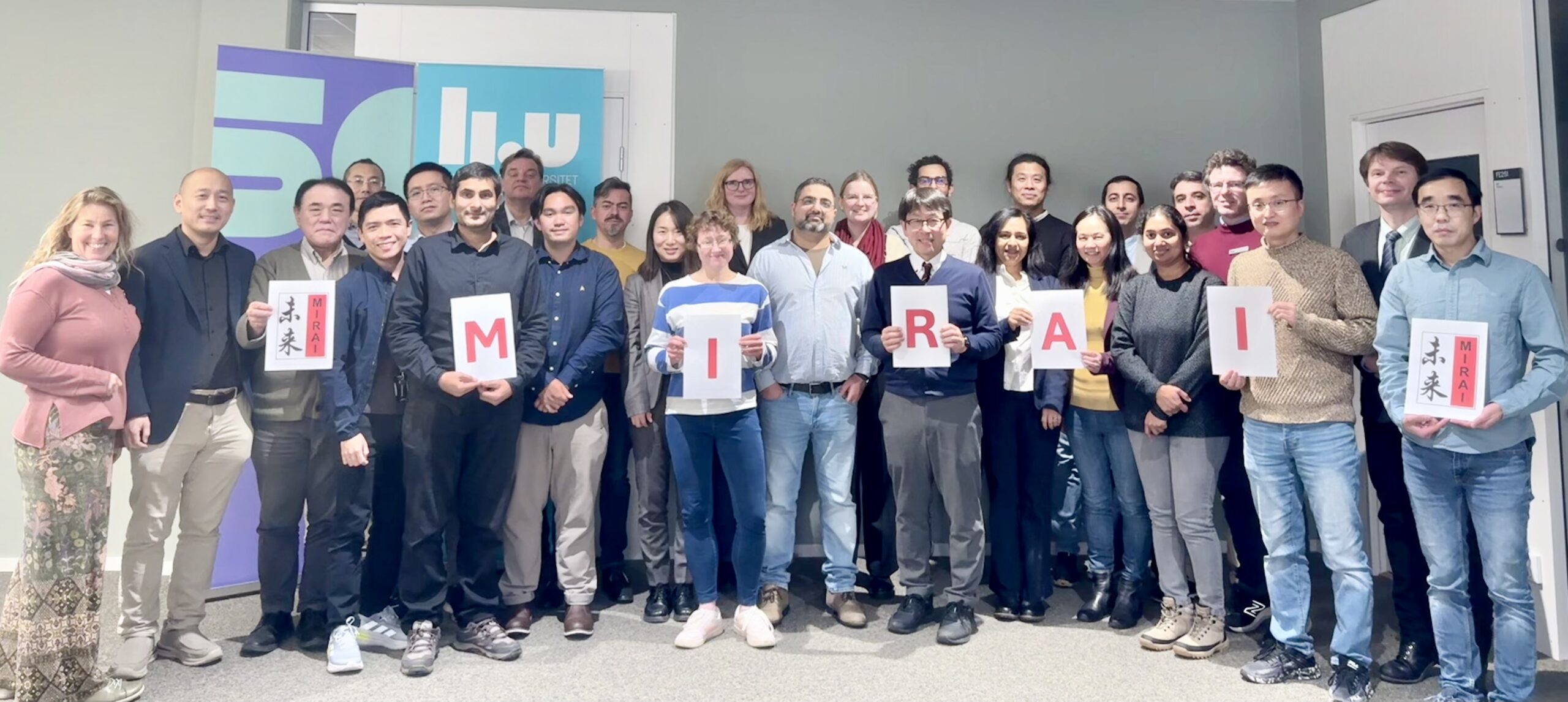
From December 3–5, 2025, the MIRAI Materials researchers’ community convened in an in-person workshop at Linköping University, Linköping, Sweden. Under the theme “Sustainable Materials: From Technologies to Policies”, the event united researchers from Japan and Sweden to explore cutting-edge materials science for energy conversion and storage — and to connect these technologies with policy perspectives.
Program Highlights
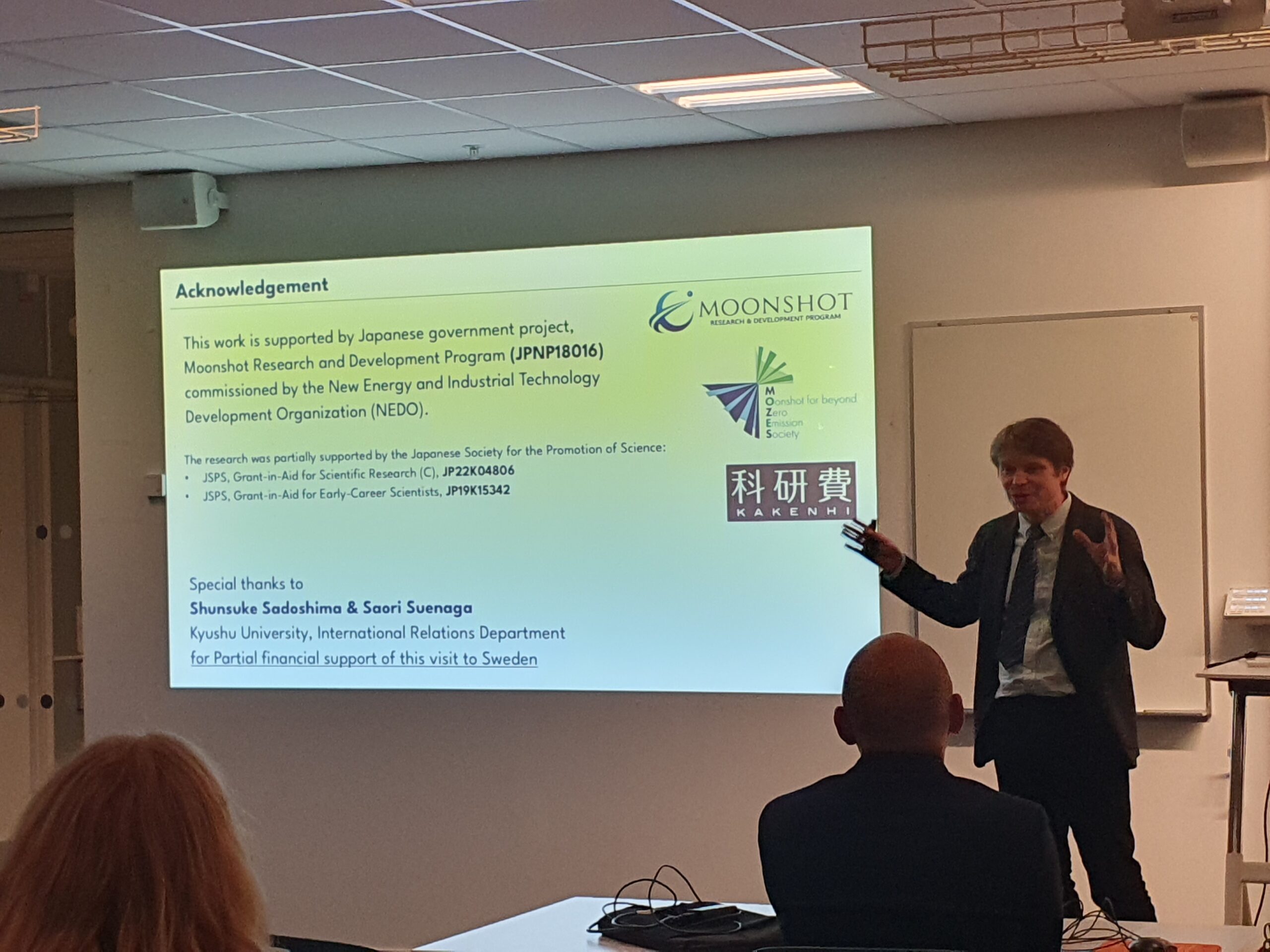
- Day 1: Opening remarks, four keynote speeches (Kyushu, Uppsala, Luleå, Lund), seed project presentations, and a lively welcome dinner at Picoteo in central Linköping.
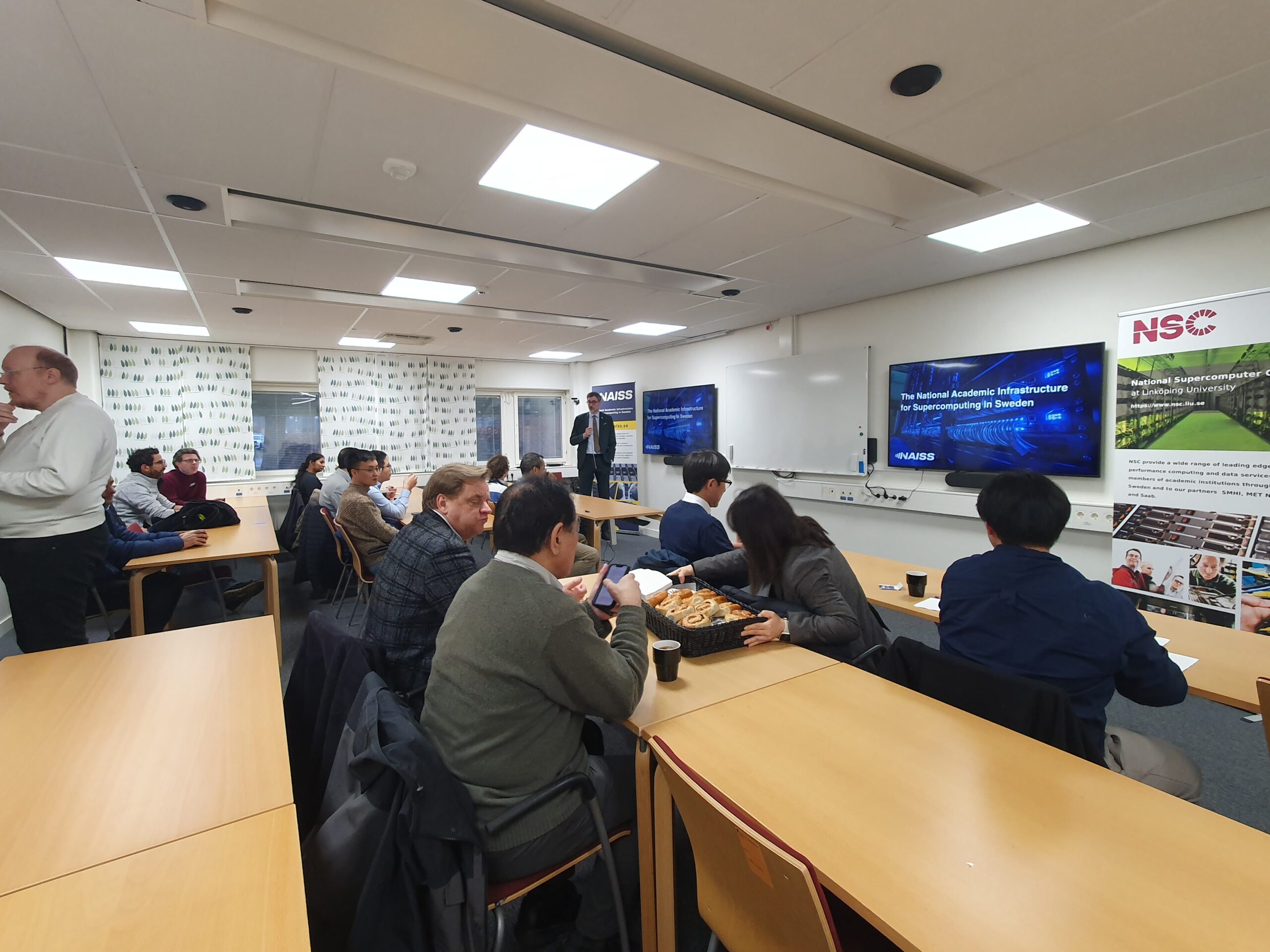
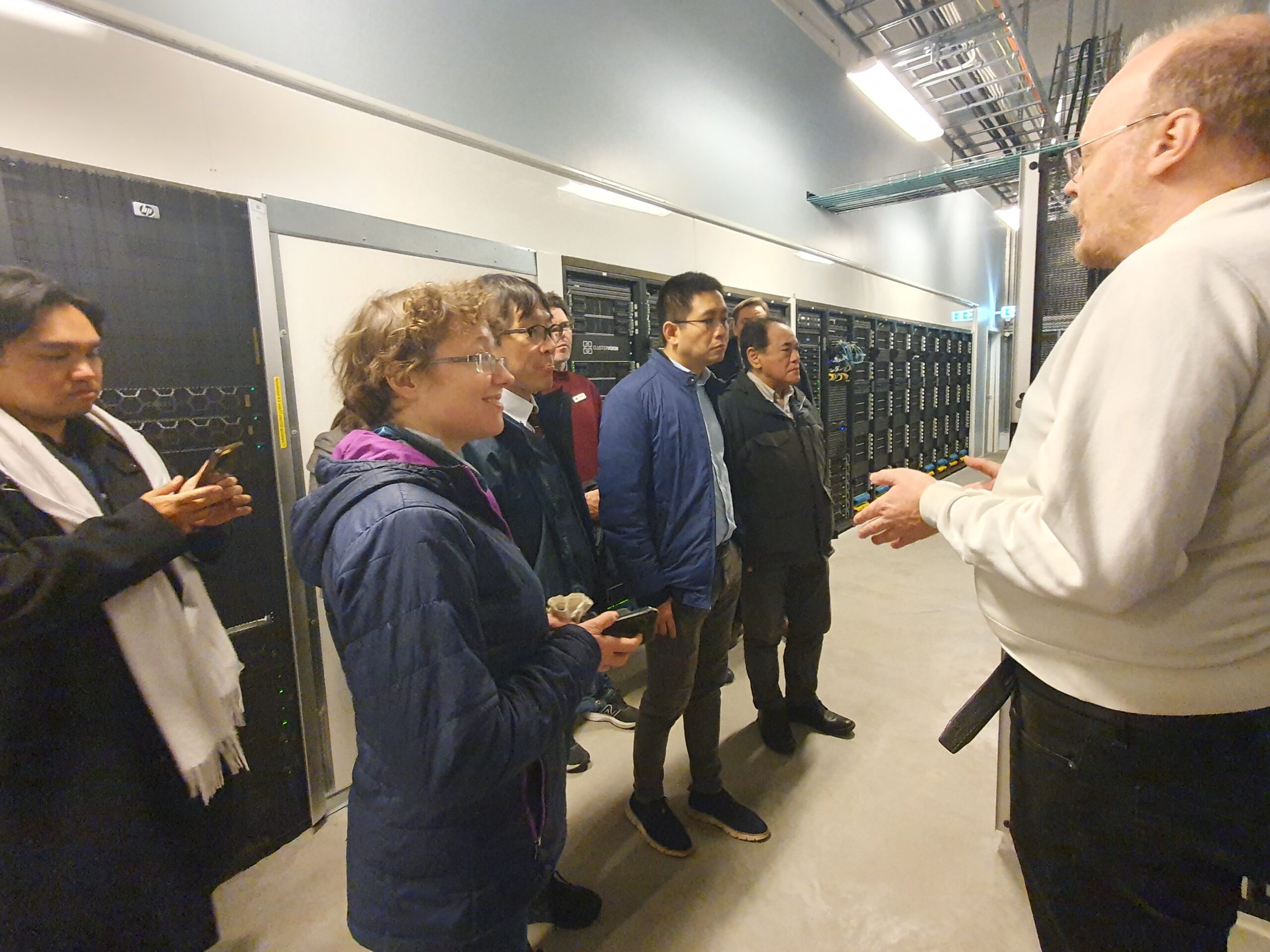
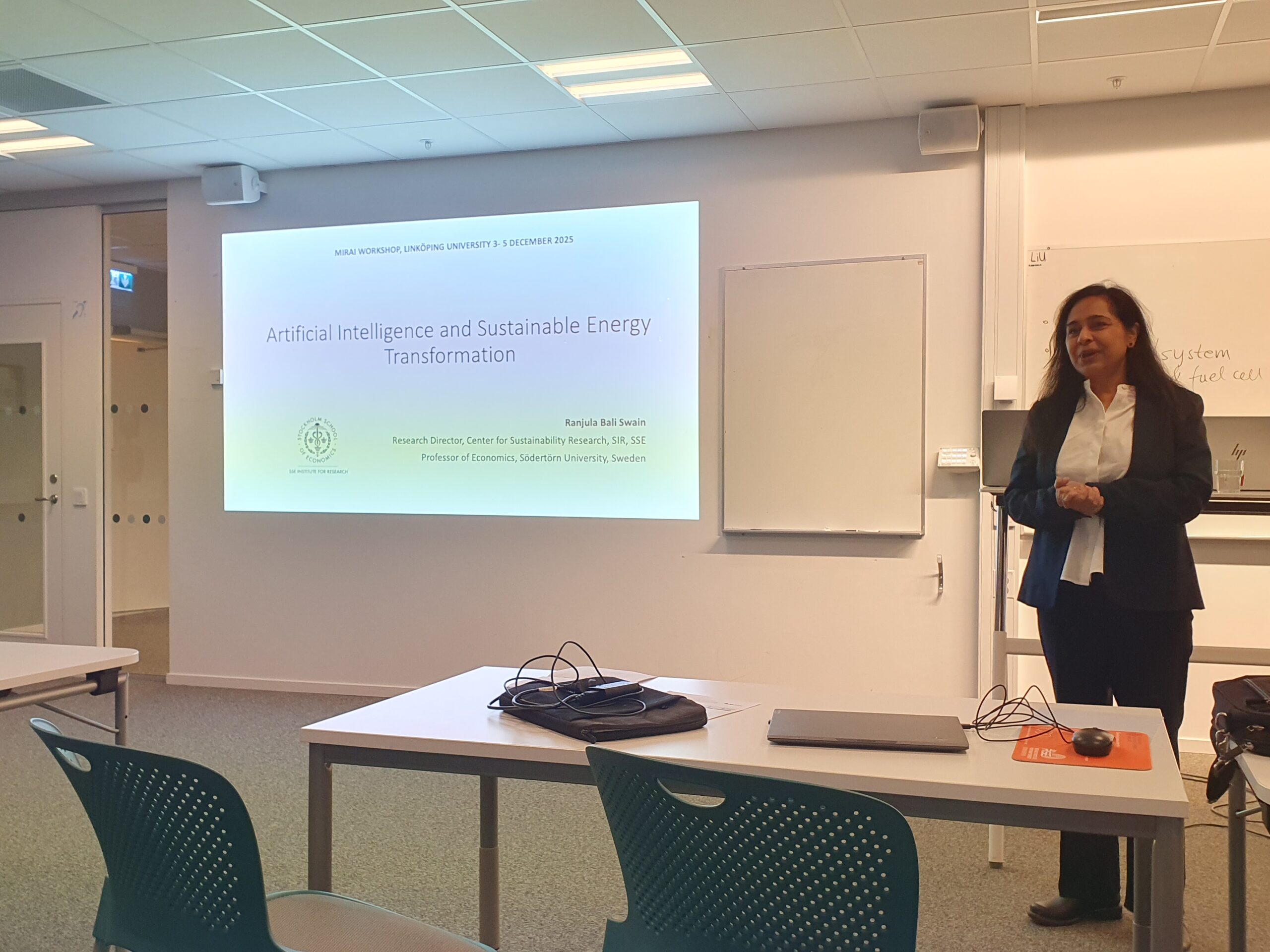
- Day 2: Twelve invited talks covering a wide range of interconnected topics from nanocatalysts and hydrogen development and CO2 capture to AI-driven sustainability, smart grids, and economic policy, followed by a study visit to the National Supercomputer Centre (NSC), hosted by Linköping University and operated by NAISS.
- Day 3: Intensive collaborative sessions to co-shape the Materials Common Paper — brainstorming, structuring, and defining next steps toward publication.
Participation
There was ca 35 participants, as well as some local LiU students who joined selected sessions. Five Japanese universities and 11 Swedish universities (including 2 non-MIRAI institutions) were represented, indicating the relevance and wide interest of the topic areas. The participants were made up from a diverse mix – PhD students, early-career researchers, senior professors, and even one master’s student who boldly joined her first-ever international workshop.
Atmosphere & Impact
The atmosphere was described as “light, positive, and highly engaging”. Discussions even ran overtime due to the sheer number of questions — a clear sign of strong interest and commitment. “It was about time we met in person — and the energy in the room proved how much we needed this.” — Helena Balogh, project manager at Linköping University
Key outcomes:
- Deeper mutual understanding across diverse research areas.
- Strengthened network.
- New collaboration opportunities discovered.
- A clear roadmap for the Materials Common Paper, which will continue to evolve post-event.
Professor Feng Gao, Linköping University, co-chair of GCT Materials highlighted his impression with the words “I really enjoyed all the presentations and engaged discussions, with experts from different backgrounds. I am also very pleased that new collaboration ideas have been developed from our workshop.”
Supercomputing for Materials Research
The NSC visit showcased how high-performance computing accelerates materials research. NSC is operated by NAISS (National Academic Infrastructure for Supercomputing in Sweden), hosted by Linköping University, and funded by the Wallenberg Foundation. Participants were welcomed by Björn Alling, Deputy Director of NAISS.