✨ Two days, 11 projects, 60 participants—this event demonstrated the power of international collaboration for a sustainable future.
Event Overview
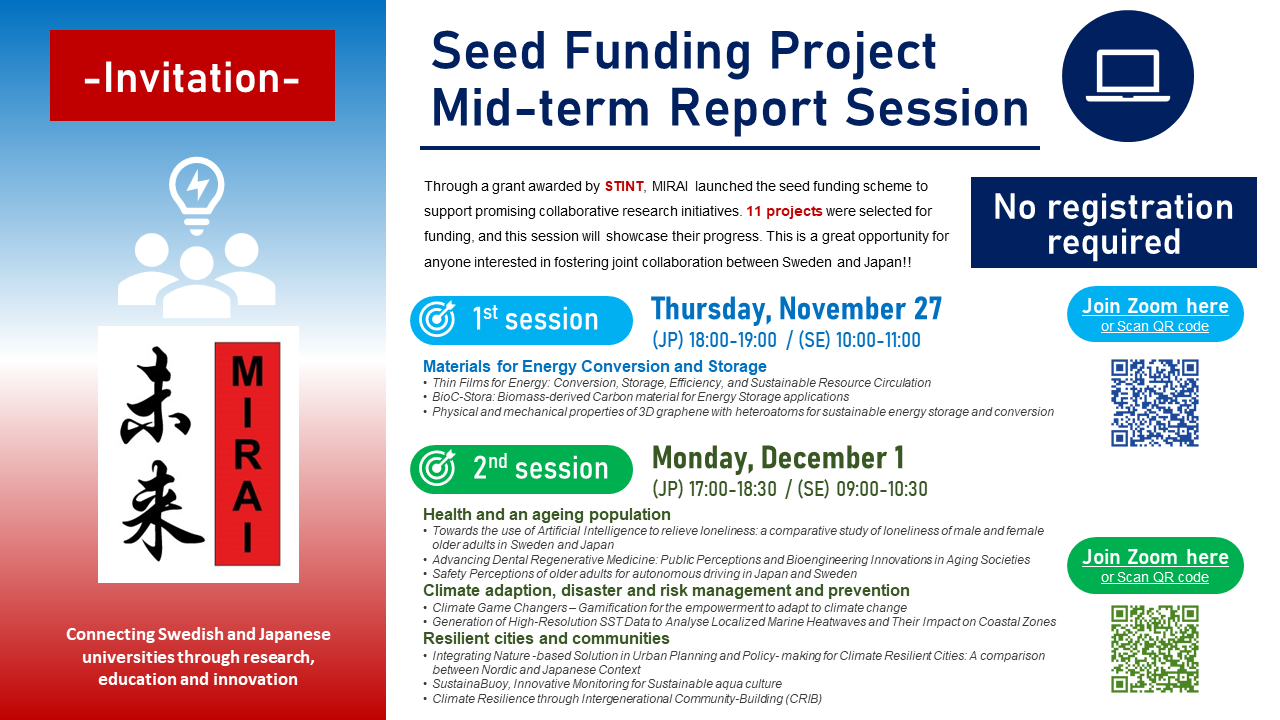
MIRAI successfully held a two-day online mid-term report session, bringing together around 60 participants from Japanese and Swedish member universities. The event featured presentations from 11 collaborative projects under the seed funding scheme, showcasing diverse research efforts aimed at addressing global challenges through cross-border cooperation.
This session served as a platform for researchers to share progress, exchange ideas, and explore future opportunities for collaboration. Discussions highlighted the importance of international partnerships and the role of Early Career Researchers (ECRs) in driving innovation.
What Was Discussed? 🔍
1. GCT Materials for Energy Conversion and Storage ⚡
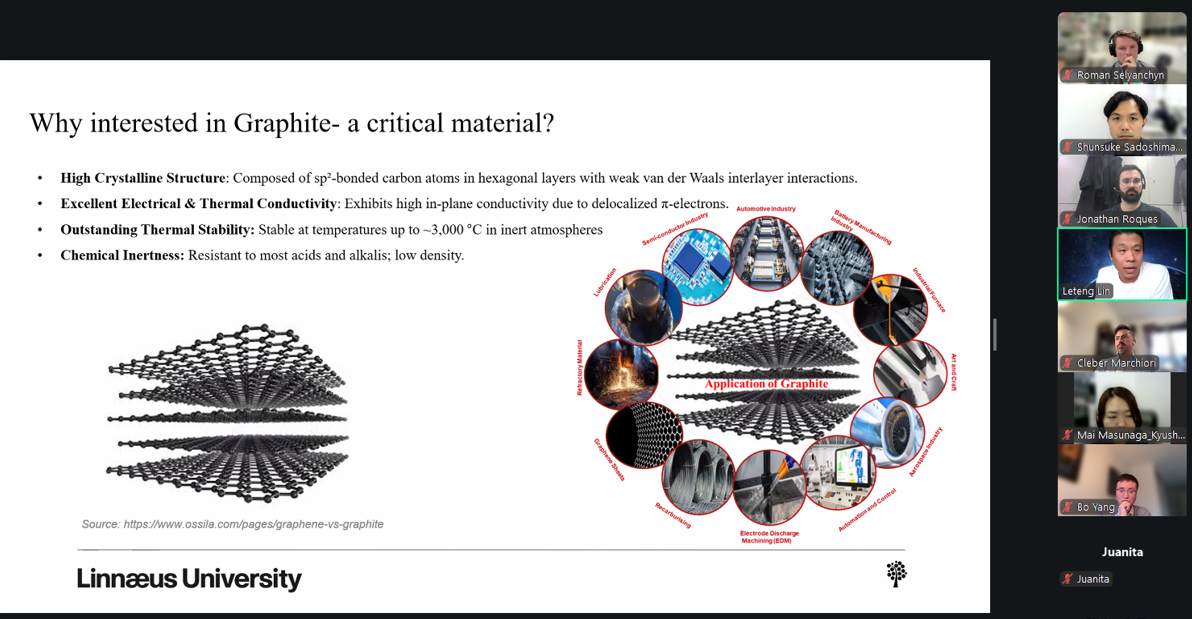
Discussions focused on innovative approaches to energy conversion and storage, including advanced materials for batteries, supercapacitors, and thin-film technologies. Researchers explored how combining Sweden’s strength in fundamental science with Japan’s application-driven expertise can accelerate breakthroughs in sustainable energy solutions.
To strengthen collaboration, participants also highlighted the creation of a dedicated website for communication and emphasized the need for in-person meetings to facilitate deeper discussions and networking among early-career researchers.
2. GCT Health and an Ageing Population 🧬
Several projects addressed health challenges in ageing societies, such as regenerative dental technologies and AI-based interventions to reduce loneliness among older adults. These initiatives aim to improve quality of life through advanced bioengineering and culturally sensitive digital solutions.
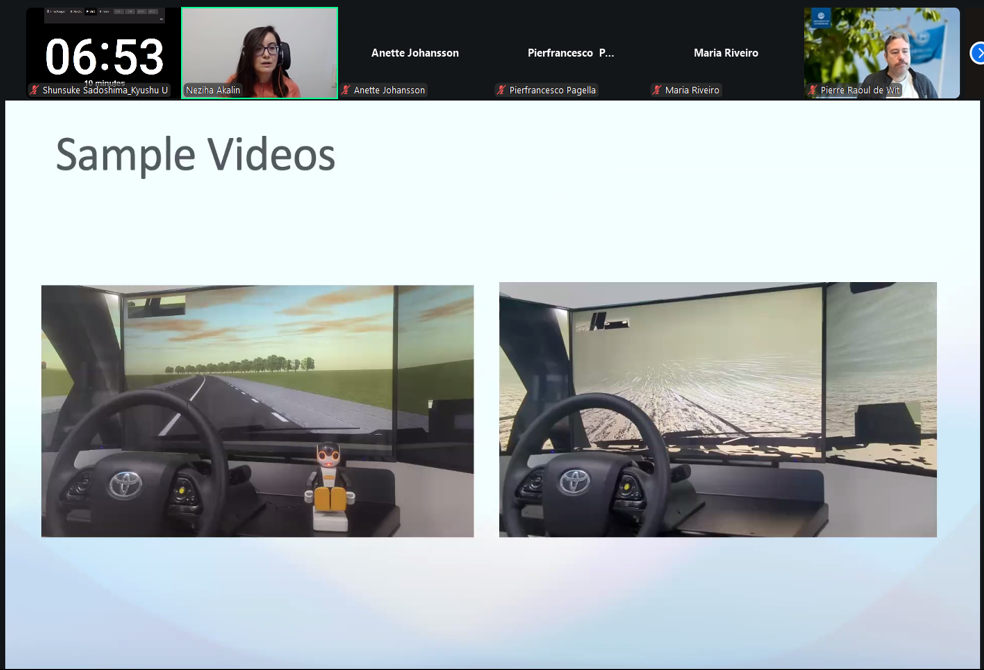
As an example, researchers also explored cultural influences on autonomous driving interfaces for older adults, examining how preferences for human–machine interaction differ between Japan and Sweden. This work highlights the importance of designing technologies that are not only safe but also culturally appropriate for ageing populations.
3. GCT Climate Adaptation and Disaster Risk Management 🌍
Climate resilience was a major theme, with research on marine heat wave prediction using high-resolution SST data and game-based strategies to raise climate change awareness among vulnerable groups.
Progress has already been made in Japan with the Water Cycle and Flood Game, and in Sweden with the Risk Metrics Game for the elderly and the Future Act Game for students. These interactive approaches aim to enhance action competence and willingness to act on climate change, demonstrating how education and engagement can complement scientific analysis.
4. GCT Resilient Cities and Communities 🏙️
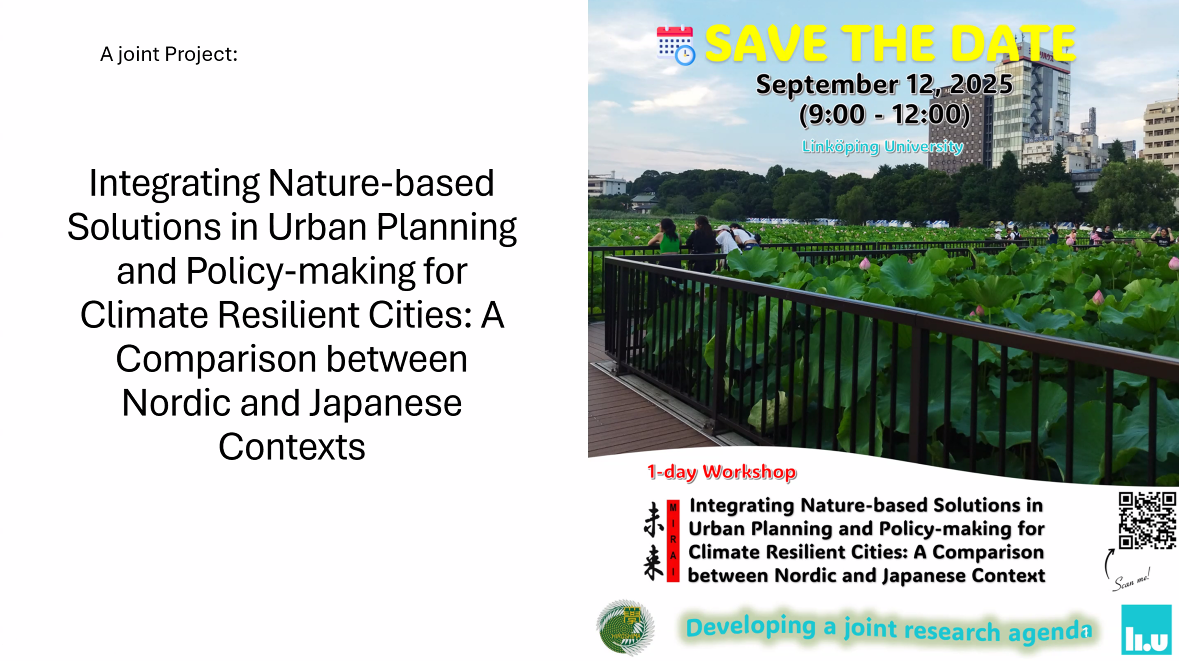
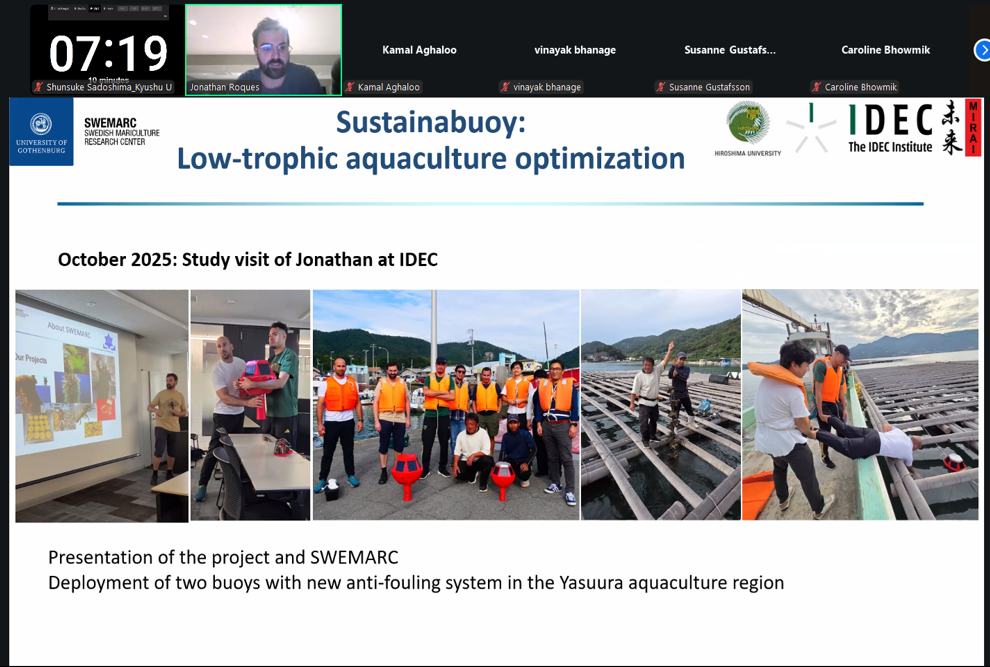
Urban sustainability projects examined nature-based solutions in city planning and strategies for enhancing resilience through participatory approaches. In addition, discussions extended to aquaculture and community resilience, including the development of low-cost autonomous monitoring buoys for sustainable aquaculture deployed in Japan and Sweden.
Another initiative explored intergenerational community building as a means to strengthen social resilience against climate challenges. These projects demonstrate how technological innovation and social inclusion can work hand-in-hand to create more resilient communities.
Key Takeaways 💬
- Strong emphasis on networking among Early Career Researchers and the value of face-to-face workshops.
- Importance of acknowledging funding sources and following proper procedures for financial reporting.
- Shared commitment to advancing collaborative research and securing larger-scale funding in the future.
Looking Ahead 🚀
MIRAI expects these projects to continue evolving and generating impactful results. Updates on major milestones will be shared through official channels by the MIRAI Coordinating Universities (Umeå and Kyushu).
We look forward to seeing these collaborations grow and contribute to solving global challenges!
Contact
MIRAI Project Coordinator Sweden: Umeå University
MIRAI Project Coordinator Japan: Kyushu University